The Next Big Event In The Door Handle Hardware Industry
Understanding Door Handle Hardware: A Comprehensive Guide
When it pertains to office or home design, door handles may appear to be a minor detail, but they play an essential function in both functionality and visual appeals. The kind of door handle hardware one selects can considerably affect the total style of a space, along with the level of security it uses. This post will check out the different types of door handle hardware available, the essential features to consider, and the most common materials used in making these important aspects.
Kinds Of Door Handle Hardware
Door handles come in numerous designs and mechanisms, each developed to serve particular functions. Comprehending these types can assist one make an informed decision when picking hardware for their doors. Below are some of the most common kinds of door handle hardware:
Lever Handles
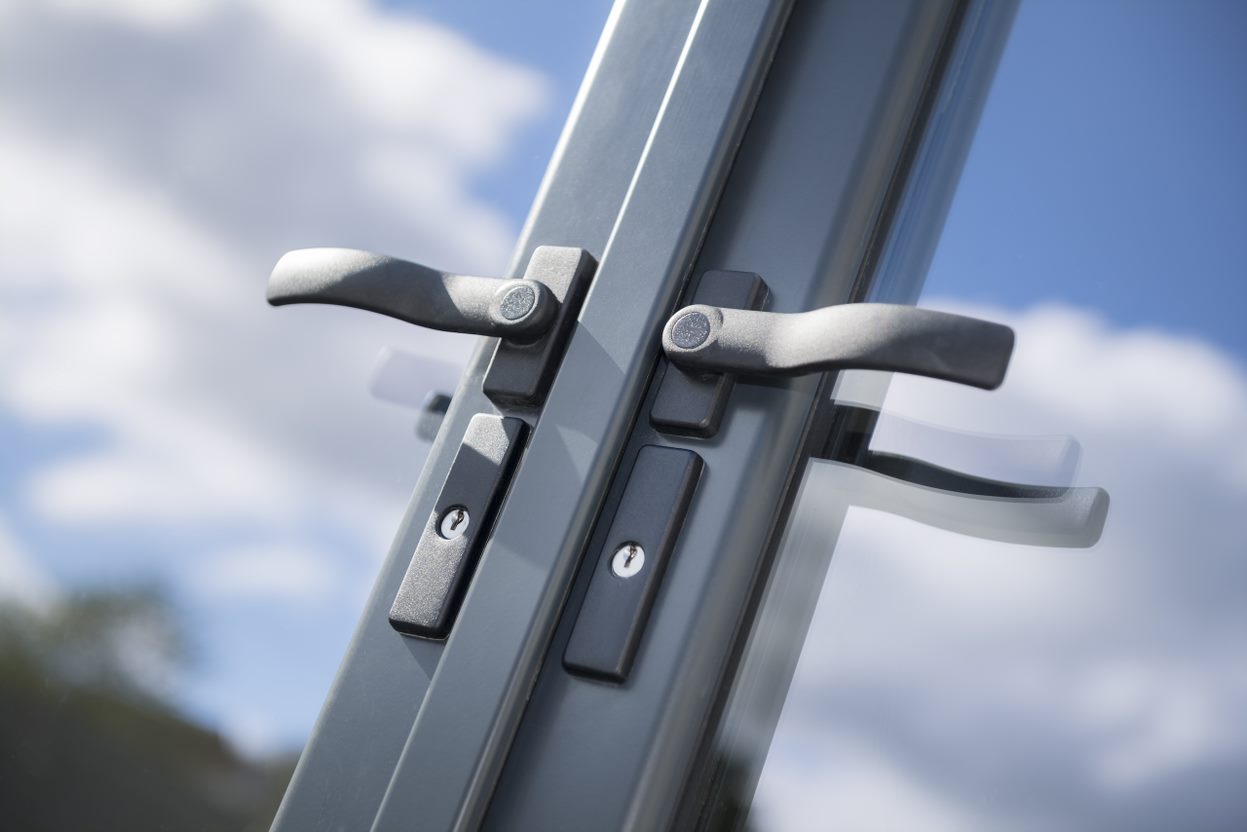
- Lever handles are one of the most popular options. They are easy to utilize, needing very little effort to run, making them suitable for people of any ages.
- Suitable for commercial and residential spaces.
Knob Handles
- Knob-style handles are timeless and frequently found in standard or vintage-themed homes.
- They usually require a twisting motion and may be less practical for people with constraints.
Pull Handles
- Generally found on sliding or pocket doors, pull handles are easy in design and function, planned for opening and closing without locking systems.
- They can include a modern touch to furniture and cabinets too.
Deadbolt Locks
- While primarily a locking mechanism, deadbolt locks often match with door handles to offer enhanced security.
- They require an essential or a code to operate and can substantially reduce the danger of unauthorized entry.
Electronic and Smart Handles
- With advancements in technology, electronic handles geared up with keypads or finger print scanners are getting popularity.
- These modern handles offer benefit and increased security, enabling users to approve gain access to without physical keys.
Biometric Handles
- These handles read fingerprints, allowing access to licensed users and preventing unapproved entry.
- They represent the forefront of security technology in door hardware.
Secret Features to Consider
When picking door handle hardware, a number of features must be considered to make sure the right match for your requirements:
Security: Evaluate the locking mechanism and its effectiveness. For high-security requirements, think about multi-point locking systems or smart locks.
Material: Choose top quality products that offer toughness, like stainless steel or brass. Complete options can likewise boost the visual appeal.
Design: The picked handle should match the architectural design of the home or workplace. Conventional homes may gain from vintage knobs, while modern areas may prefer streamlined lever handles.
Ergonomics: Handle styles need to be comfy and useful for daily use. Choosing lever handles can simplify access for people with mobility obstacles.
Installation and Maintenance: Some door handles are much easier to install and keep than others. Consider whether you will work with a professional or do it yourself.
Expense: Hardware costs can differ commonly. Developing a spending plan before shopping can help limit alternatives to those that fit your monetary constraints.
Common Materials for Door Handle Hardware
The product used to make door handle hardware can affect both the visual appeal and functionality. Here are some often used products:
Stainless Steel
- Understood for its sturdiness and resistance to deterioration, stainless steel is a favored choice for modern and minimalist style.
Brass
- With a timeless appeal, brass can add warmth to interiors. It frequently establishes a natural patina with time that is attracting lots of homeowners.
Aluminum
- Lightweight and resistant to rust, aluminum handles are often discovered in contemporary styles and use a modern, smooth appearance.
Zinc Alloy
- Typically used for affordable options, zinc alloy can be formed into different shapes and finishes, making it versatile for various styles.
Plastic and Composite Materials
- While typically seen in budget-friendly markets, these products can in some cases offer unforeseen sturdiness and are readily available in various colors and styles.
Installation Tips
Installing door handle hardware can be an uncomplicated job for the convenient individual. Below are some tips for effective installation:
Gather Tools: Ensure you have all essential tools on hand. quality door handle repair include a screwdriver, drill, and determining tape.
Read Instructions: Always describe the manufacturer's installation guide for particular guidelines and suggestions.
Procedure Correctly: Accurate measurements are crucial to guarantee the handle fits well, so double-check before making any cuts or holes.
Protect Firmly: Make sure all screws are tightened firmly to make sure the longevity of the handle's function.
Test Performance: After installation, test the handle numerous times to ensure it runs smoothly and fits well.
FAQs
1. How do I pick the best door handle for my home?
Think about the architectural style of your home, the performance needed, and the general theme you want to accomplish.
2. Are clever door handles worth the financial investment?
Yes, smart door handles provide convenience, improved security functions, and eliminate the need for physical keys.
3. How can I maintain my door handles?
Regularly clean them with appropriate materials for their finish. For locks, oil the mechanism periodically to make sure smooth operation.
4. Can I set up door handles myself?
With basic tools and a bit of useful understanding, lots of door handles can be installed without professional aid.
5. What is the life expectancy of door handles?
The lifespan can vary commonly based on materials, but good-quality handles can last anywhere from 10 to 50 years with correct care.
Door handle hardware is an important yet typically neglected part of a home's aesthetic and performance. With a myriad of designs, products, and features readily available, property owners and builders alike can find the best match for their needs. By thinking about the security functions, ergonomic styles, and styles that complement their area, individuals can ensure that the door handles they select are not just practical but also aesthetically appealing. Whether going with conventional knobs or modern wise handles, the ideal choices can genuinely boost the atmosphere of an office or home.